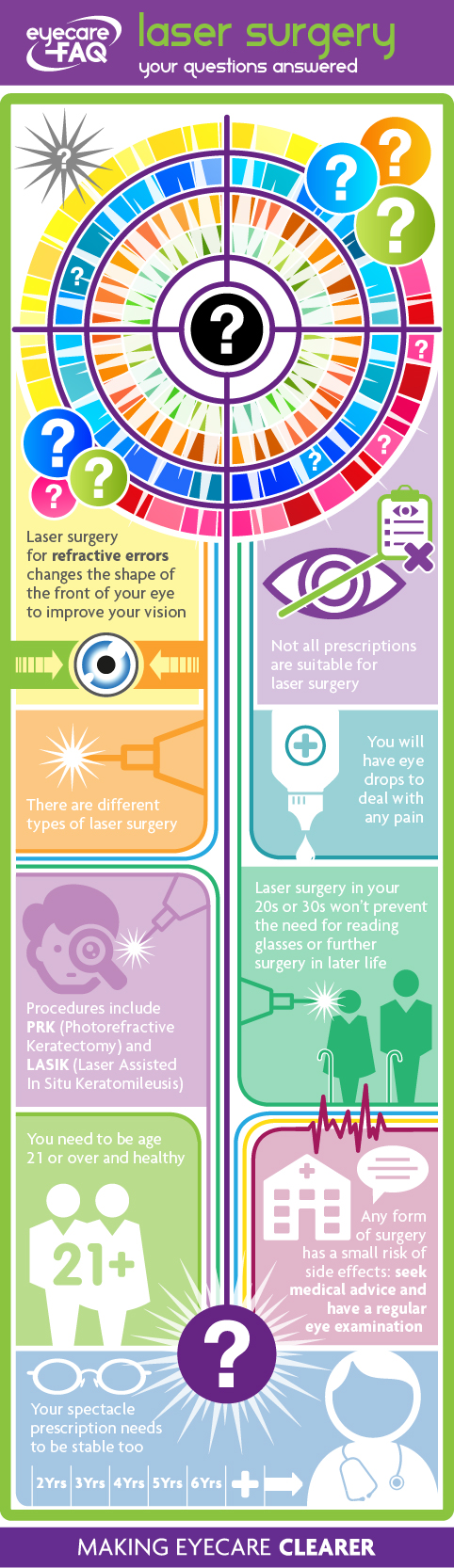
For a lot of individuals, battling with unclear sight can be a frustrating and disheartening experience. Whether it involves the daily hassles of putting on glasses, handling contacts, or addressing the limitations of conditions including cataracts or presbyopia, the search for better vision is often a key focus. Luckily, lens replacement surgery has become as a practical solution for those looking to to boost their vision. By substituting the lens within the eye with an man-made lens, patients can improve their eyesight while also enjoy a new freedom from conventional glasses and lenses.
However, as with any surgical procedure, lens replacement surgery entails its own pros and cons. Comprehending the benefits, including improved clarity and the ability to manage various refractive errors, alongside the possible hazards and financial considerations, is essential for making an educated choice. This article will examine the pros and cons of lens replacement surgery, aiding your decision-making process and assessing its alignment with your eye care requirements and daily life objectives.
Comparing Lens Replacement and PRK
In evaluating methods for vision enhancement, both photorefractive keratectomy (PRK) are popular choices, each offering distinct benefits. Lens replacement involves surgically removing the eye's natural lens and substituting it with an artificial intraocular lens. This procedure provides significant benefits for those with cataracts or presbyopia, as it facilitates the correction of various refractive errors such as nearsightedness and farsightedness. On the other hand, PRK alters the cornea using laser technology, making it a suitable option for those with healthy corneas and less severe refractive errors.
A key distinction between these procedures is the time needed to heal and potential side effects. Lens replacement generally offers a more rapid recovery, with many patients experiencing improved vision within days. However, it may also lead to some temporary discomfort and complications such as halos and glare, which can affect night vision. PRK needs a prolonged healing phase, as the outer layer of the cornea must regenerate after treatment. Although patients may face discomfort during the recovery phase, the long-term effects often result in excellent vision that doesn’t require glasses.
Another important factor to consider is the cost and long-term outcomes. Lens replacement can be more expensive, especially if you go for premium IOLs that come with enhancements like improved contrast sensitivity and customized vision correction. PRK, although usually cheaper, may need adjustments over time for optimal results. Ultimately, the choice between lens replacement and PRK depends on individual factors like age, lifestyle, and particular vision requirements, making it essential to consult with an eye care professional to determine the most suitable choice.
Advantages of Intraocular Lens Replacement for Different Eye Conditions
Lens replacement surgery offers notable advantages for individuals struggling with various eye conditions. For those with severe hyperopia, traditional glasses and contacts may not provide sufficient vision correction, leading to ongoing discomfort and limited visual acuity. Lens replacement can efficiently address these challenges by replacing the eye's natural lens with a superior intraocular lens, allowing for enhanced focusing ability at various distances and enhancing overall quality of life.
For individuals with high myopia, lens replacement surgery provides a practical alternative to long-term dependency on heavy glasses or contact lenses. https://blogfreely.net/curtis6edward/making-the-jump-is-lens-replacement-surgery-ideal-for-all-your-vision-demands corrects nearsightedness but also minimizes the risk of subsequent complications related to high myopia, such as detachments of the retina or degeneration. Customizing the lens to fit the specific visual needs of the patient ensures optimal outcomes and a greater sense of visual freedom.
Patients aged 45 and above often experience presbyopia, a common condition that affects near vision. Lens replacement surgery can be a perfect solution by offering multifocal or trifocal intraocular lenses that provide sharp vision at multiple distances. This means patients can enjoy activities like looking at books, driving, and engaging in sports without the hassle of switching between different pairs of glasses. Additionally, addressing presbyopia through lens replacement enhances contrast sensitivity and lowers halos and glare, which are often encountered after traditional cataract surgery.
Adjusting Lens Options for Individual Vision Needs
When thinking about lens replacement surgery, a of the most benefits is the capability to alter the procedure to fit the visual requirements. Clients can choose from multiple intraocular lenses (IOLs) that address diverse visual requirements, such as trifocal, extended depth of focus (EDOF), and light adjustable lenses. These alternatives allow for a tailored approach, addressing issues such as nearsightedness, farsightedness, and presbyopia, providing a comprehensive solution to blurry vision.
A further important aspect of customization is the age and lifestyle of the patient. For individuals aged 45 and older, who may be going through age-related vision changes, choosing the appropriate lens type is vital. Energetic people might profit from options designed for athletic vision, which boost clarity and reduce halos and glare. Tailored lens replacement ensures that patients can maintain their daily activities without the hindrance of visual discomfort, making it advantageous to enjoy clear vision during both demanding and leisure activities.
Finally, the dialogue around expenses and benefit cannot be overlooked. relevant web page can change significantly in price depending on the category of lens selected and individual surgical techniques utilized. Individuals should discuss the various options with their ophthalmologists to find a balance between high-quality results and cost-effectiveness. Comprehending the budget considerations, alongside the potential for improved vision, is crucial for making an informed decision about lens replacement tailored to individual needs.
Comprehending Consequences and Expenses of Lens Replacement Surgery
Lens replacement surgery can deliver substantial improvements in vision, helping individuals view distinctly at multiple distances and reducing need on glasses or contact lenses. Many patients experience enhanced contrast sensitivity, which is essential for activities in low light conditions, and some report satisfaction with activities like reading or sports after surgery. However, results can vary based on personal factors such as age, pre-existing eye conditions, and the particular type of intraocular lens chosen, such as trifocal or EDOF lenses. These tailored options allow for personal solutions, aiming to meet the particular visual needs of patients.
The cost of lens replacement surgery can vary widely based on factors such as location, the surgeon's experience, and the techniques used. On average, patients might foresee to pay more for premium intraocular lenses and custom vision correction options compared to standard procedures. It's crucial for individuals to weigh these costs against the potential benefits of improved vision and quality of life. Moreover, comprehending insurance coverage and financing options can play a key role in making this decision.
While lens replacement surgery can offer a permanent solution for refractive errors and cataracts, there may be hidden costs to consider. These can include pre-operative assessments, post-operative follow-up visits, and potential additional treatments for any side effects like halos or glare. Prospective patients should consult about these aspects upfront to avoid unexpected expenses. Overall, a thorough understanding of the expected consequences and associated costs is essential for making an informed decision regarding lens replacement surgery.